Categories
Blog

What is the most durable siding for a house?

What is the Most Durable Siding for a House?

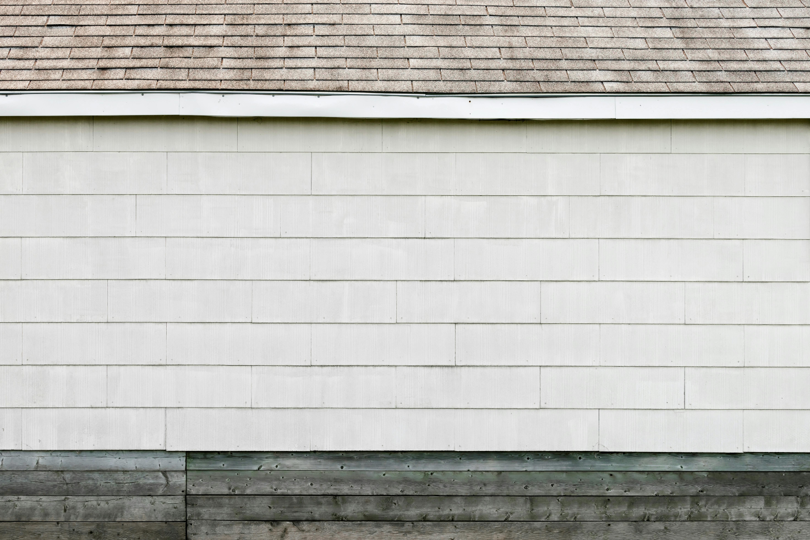
When it comes to siding, not all materials are built to last. Did you know that vinyl siding, one of the most popular choices, can buckle under extreme heat? Meanwhile, engineered wood siding can withstand hurricane-force winds up to 200 mph! Choosing the right siding for your home isn’t just about aesthetics—it’s about protecting one of your most valuable investments from time, weather, and wear.

I’m Don Lane, and here at Sound & Unsound Homes, I’m all about uncovering what makes a home truly sound—or unsound. Siding is more than just an exterior finish; it’s your home’s first line of defense against the elements. Whether you’re facing brutal winters, blazing summers, or relentless rain, the right siding can mean the difference between years of maintenance headaches and a structure that stands the test of time.

In this guide, we’ll dive deep into the most durable siding options for your home. We’ll compare materials like fiber cement, engineered wood, and brick, breaking down their strengths, weaknesses, and the real-world conditions where they shine. By the end, you’ll have actionable insights to help you pick siding that looks great and lasts—even when the weather doesn’t play nice. Let’s get started!


Introduction to Siding Durability

Why Durability Matters in Siding

Your home’s siding isn’t just for looks. It’s a shield, a barrier against wind, rain, pests, and even fire. Poorly chosen siding materials can lead to frequent repairs, skyrocketing maintenance costs, and diminished curb appeal. Durable siding, on the other hand, saves you money, time, and frustration—all while increasing the long-term value of your property.

Key Factors to Consider

When evaluating siding options, consider these essential factors:

  • Weather Resistance: How well does it hold up to rain, snow, or extreme heat?
  • Impact Resistance: Can it handle hail, flying debris, or accidental bumps?
  • Maintenance: How often will you need to clean, repaint, or repair it?
  • Lifespan: Will it last a decade or a lifetime?
  • Cost: Balance initial costs with long-term savings. Sometimes, spending a little more upfront means fewer headaches later.
most durable siding sound unsound homes

Types of Durable Siding Materials

Fiber Cement Siding

Fiber cement siding is a powerhouse of durability and design flexibility.

  • Durability: Resistant to fire, insects, and rot. It’s perfect for harsh weather conditions and areas with high humidity or freeze-thaw cycles.
  • Aesthetics: Mimics wood, stone, or brick textures, offering timeless appeal.
  • Longevity: Lasts 50+ years with minimal maintenance.
  • Cost: While installation is pricier than vinyl, the long-term value is significant.

Fiber cement is an excellent choice for homeowners seeking a balance of style, strength, and longevity.

Engineered Wood Siding

Engineered wood combines the beauty of natural wood with advanced durability.

  • Durability: Treated with resins and waxes to resist moisture, termites, and fungal decay.
  • Weather Performance: Stands up to high winds and extreme temperatures, with impact resistance far beyond traditional wood.
  • Eco-Friendly: Made from renewable resources.
  • Cost: Mid-range pricing, with significant savings in maintenance costs compared to real wood.

Its versatility and strength make engineered wood a top contender for anyone seeking a durable yet warm, natural look.

Brick and Stone Veneer

Brick and stone exude timeless elegance while offering unmatched longevity.

  • Durability: Virtually maintenance-free. Resistant to fire, rot, and pests.
  • Energy Efficiency: Acts as a natural insulator, cutting down on heating and cooling costs.
  • Weather Performance: Handles extreme weather like a champ.
  • Cost: High initial cost, but it lasts a lifetime and adds significant resale value.

If you’re after a classic look that endures for generations, brick and stone are unbeatable.

Vinyl Siding

Vinyl siding is one of the most popular choices for homeowners on a budget.

  • Durability: Low-maintenance and water-resistant, though it’s prone to cracking in extreme cold or warping in high heat.
  • Aesthetics: Comes in a wide array of colors and styles, from traditional lap siding to modern vertical panels.
  • Cost: Affordable, with quick and easy installation.

While it’s not the most durable option, vinyl’s cost-effectiveness and versatility make it a practical choice for many.

Metal Siding (Steel and Aluminum)

Metal siding is sleek, modern, and built to last.

  • Durability: Highly resistant to pests, fire, and weather damage. Steel siding requires protective coatings to prevent rust.
  • Eco-Friendly: Fully recyclable and sustainable.
  • Cost: More expensive than vinyl but cheaper than brick or stone.

Metal siding is perfect for those seeking a durable, low-maintenance exterior with a contemporary aesthetic.


Comparing Siding Materials

most durable type of siding for house

Durability and Lifespan

Brick, stone, and fiber cement top the charts for lifespan, often lasting 50+ years. Engineered wood and metal are close behind, with decades of reliable performance. Vinyl falls short, with an average lifespan of 20–40 years.

Maintenance Requirements

  • Low Maintenance: Brick, stone, and metal.
  • Moderate Maintenance: Fiber cement and vinyl (occasional washing or repainting).
  • High Maintenance: Wood (requires sealing, staining, or painting regularly).

Cost vs. Value

Investing in durable siding like brick or fiber cement pays off through minimal repairs and higher home resale value. Budget-friendly options like vinyl and aluminum work well short-term but may require replacement sooner.


Tips for Choosing the Right Siding

Matching Siding to Your Climate

  • Hot Climates: Stucco, brick, or metal work best.
  • Cold Climates: Fiber cement and engineered wood are ideal for freeze-thaw cycles.
  • Humid Areas: Choose moisture-resistant options like fiber cement or treated wood.

Balancing Aesthetics and Durability

Choose siding that complements your home’s architectural style while meeting your durability needs. For example, fiber cement mimics wood while offering superior resilience.

Professional Installation vs. DIY

For best results, hire professionals—especially for materials like brick, stone, or fiber cement that require specialized expertise. Improper installation can void warranties and lead to costly mistakes.


Conclusion

The most durable siding depends on your specific needs, climate, and budget. For all-around performance, fiber cement and engineered wood stand out as top choices. If you value timeless elegance, brick and stone offer unparalleled longevity. Whatever you choose, prioritize durability, proper installation, and minimal maintenance to keep your home sound for years to come.
Categories
Blog

What type of house foundation is an easy sell?

What Type of House Foundation is an Easy Sell?

Every home rests on a story—quite literally. The foundation beneath your feet isn’t just concrete or beams; it’s the backbone of your investment. Did you know the average U.S. home weighs 200 tons? That’s the load your foundation needs to bear while resisting water damage, settling soil, and even nature’s temper tantrums.

Hi, I’m Don Lane, founder of Sound & Unsound Homes. My passion lies in separating the sturdy from the suspect, helping homeowners like you make smart, informed decisions. Whether you’re planning to sell, buy, or simply understand what’s holding up your home, getting the foundation right is key to maximizing value—and buyer appeal.

In this article, we’ll break down the pros, cons, and marketability of various house foundations, from the ever-popular concrete slab to the spacious basement. Which one gives you the best bang for your buck? Which type scares off buyers faster than a roof leak? And how can you turn a foundation flaw into a selling point? Stick around—we’re digging deep into what makes a foundation not just strong but sellable.

Let’s uncover the type of foundation that could make—or break—your next sale.

best type of foundations don lane

Why a Strong Foundation Matters in Real Estate

When buyers step into a house, they may not see the foundation, but they can feel its impact. A solid foundation ensures stable floors, smooth-opening doors, and a house that “feels” right. On the flip side, a compromised foundation can send buyers running. Cracked walls, sticking windows, or a musty smell from moisture damage all scream one thing: problems ahead.

The Role of Foundations in Buyer Decisions

A home’s foundation isn’t just structural—it’s psychological. Buyers see it as a reflection of the home’s overall quality. A stable, sound foundation builds trust and boosts confidence in the property. Conversely, issues like settlement cracks or visible moisture raise red flags, potentially derailing a sale or leading to lower offers.

Common Foundation Problems That Affect Marketability

Foundation problems are among the costliest to fix, which makes them deal-breakers for many buyers. Look out for:

  • Cracks wider than ¼ inch, especially diagonal or horizontal ones.
  • Water intrusion in basements or crawlspaces, often leading to mold or wood rot.
  • Sloping or uneven floors, signaling settling or shifting soil.

Addressing these issues proactively can mean the difference between a bidding war and a stagnant listing.


Comparing House Foundation Types for Market Appeal

Not all foundations are created equal—nor are they equally attractive to buyers. Some offer durability and low maintenance, while others provide extra space or utility access. Here’s how the most common types stack up.

Concrete Slab Foundations: Affordable but Limited

Concrete slabs are popular for a reason: they’re affordable and quick to construct. This makes them an attractive option for budget-conscious buyers. However, they come with drawbacks. Plumbing and electrical systems are often buried beneath the slab, making repairs disruptive and costly. And without a basement or crawlspace, slabs lack the bonus storage or living space many buyers want.

what type of house foundation is an easy sell

Crawlspace Foundations: Access and Risk

Crawlspaces offer easy access to utilities, making repairs or upgrades straightforward. Buyers also appreciate that crawlspaces create a buffer between the house and the ground, reducing the risk of termite damage. However, moisture issues are a common concern. Even with vapor barriers, proper insulation techniques and so on…crawlspaces can develop mold or rot if not properly ventilated.

Basement Foundations: Extra Space and Value

For buyers looking for space, basements are a major selling point. A finished basement can serve as a family room, guest suite, or home office—all while increasing the home’s square footage at a lower cost per foot than an above-ground addition. That said, basements require diligent waterproofing to avoid leaks, especially in areas with high water tables.

Pile Foundations: For Challenging Conditions

Pile foundations are ideal for homes on unstable soil or in flood-prone areas. While not as common in residential builds, they’re a lifesaver for coastal properties. Buyers in these regions often view piles as a necessity rather than a luxury. However, their specialized nature can make them more expensive and less universally appealing.


Key Factors That Make a Foundation an Easy Sell

Buyers want peace of mind, and a well-maintained foundation delivers exactly that. Here are the factors that make some foundations easier to sell than others.

Climate and Geography Considerations

A foundation’s suitability often depends on where you live. In areas prone to flooding, buyers may prefer elevated foundations like piles or crawlspaces. In colder regions, basements are valued for their ability to extend below the frost line, preventing freeze-thaw damage. Aligning the foundation type with local conditions can enhance marketability.

Maintenance and Longevity of Foundations

Low-maintenance foundations are a big draw. Buyers love knowing they won’t have to deal with cracked slabs, moldy crawlspaces, or leaky basements. Regular inspections, proper drainage, and waterproofing can extend a foundation’s life and make it more appealing to potential buyers.


How to Address Foundation Issues Before Selling

Selling a home with foundation problems isn’t impossible, but it does require preparation. Transparency and proactive repairs can make all the difference.

Identifying and Repairing Common Foundation Problems

Start with a thorough inspection. Small cracks can often be sealed with epoxy, while more serious issues may require professional reinforcement. Waterproofing basements and improving drainage around the home can also reassure buyers that the foundation is solid.

Selling a Home with Foundation Repairs

If repairs are necessary, keep records and warranties to show potential buyers. A transferable warranty on foundation work can alleviate concerns and add value. Being upfront about past issues—and how they were resolved—can build trust and avoid surprises during the inspection process.


Which Foundation Type is Easiest to Sell?

While every foundation has its pros and cons, basements often top the list for marketability. Their ability to add living space and storage appeals to a wide range of buyers. That said, homes with concrete slabs or crawlspaces can also be easy sells if they’re well-maintained and free of major issues.

Trends in Buyer Preferences for Foundations

Modern buyers lean toward low-maintenance, versatile homes. Finished basements and encapsulated crawlspaces are particularly attractive because they offer functionality without major upkeep.

Foundation Upgrades to Boost Market Appeal

Simple upgrades, like encapsulating a crawlspace or waterproofing a basement, can dramatically improve marketability. For slab foundations, ensuring plumbing systems are updated (e.g., using PEX pipes) can help buyers feel confident about future repairs.


Conclusion: Choosing a Foundation for Market Success

A sound foundation isn’t just the base of a house—it’s the base of a successful sale. By understanding the strengths and weaknesses of each foundation type, addressing potential problems, and aligning with buyer preferences, you can maximize your home’s value and appeal. Whether it’s a cozy basement or a sleek concrete slab, the right foundation can turn your property into an easy sell.

It all starts from the ground up—literally. Let’s make your next sale a sound one!

Categories
Blog

How do you fix insulation in your house?

A Way To Fix Insulation In Your House – No Demo Required!

If you’re feeling the chill of drafty windows or watching your energy bills climb higher than they should, your insulation might be the culprit. Poor insulation isn’t just a comfort issue—it’s a money pit. In fact, the U.S. Department of Energy reports that proper insulation can cut heating and cooling costs by up to 20%. That’s a stat worth paying attention to.

Here at Sound & Unsound Homes, I’ve seen it all—from well-crafted homes with insulation that stands the test of time to those where corners were cut, leaving homeowners shivering in winter and sweating through summer. I’m Don Lane, and I’ve spent years studying what makes a home “sound,” helping people like you take control of their spaces. If you’re looking for a way to fix the insulation in your house without tearing down walls, then read on.

The good news? Fixing your insulation doesn’t have to be complicated or break the bank. Whether you’re sealing up air leaks with weatherstripping, insulating your attic, or tackling drafty doors with a DIY door snake, there are countless ways to get started—many of which you can do yourself. This guide will show you exactly how to identify problems, find practical solutions, and invest in fixes that not only make your home cozier but also more efficient.

Let’s turn your house into the sound, energy-efficient sanctuary it was meant to be—without wasting time or money. Ready to dive in? Let’s get started!

How Do You Fix Insulation in Your House?

Insulation is the unsung hero of home energy efficiency. Done right, it keeps your home warm in winter, cool in summer, and saves you thousands on energy bills over time. Done poorly—or ignored altogether—and you could be throwing money out the window, literally. In this guide, we’ll dive into practical, actionable steps to assess, upgrade, and fix your home insulation. Whether you’re tackling drafts, boosting attic insulation, or sealing leaks, this article has you covered.

Why Proper Insulation is Important

The Role of Insulation in Energy Efficiency

Insulation doesn’t just make your home more comfortable; it acts as a barrier between the inside of your home and the unpredictable elements outside. According to energy experts, a properly insulated home can save up to 20% on heating and cooling costs annually. Insulation works by minimizing heat transfer, ensuring warm air stays inside during winter and outside during summer.

Common Signs Your Insulation Needs Fixing

How do you know if your insulation is failing? Look for cold drafts, uneven temperatures between rooms, or skyrocketing heating bills. A poorly sealed attic or chimney, thin wall insulation, or gaps around doors and windows could be to blame. These small problems add up to big inefficiencies.

how do you fix insulation in your house

Assessing Your Current Insulation

Inspecting Different Areas of Your Home

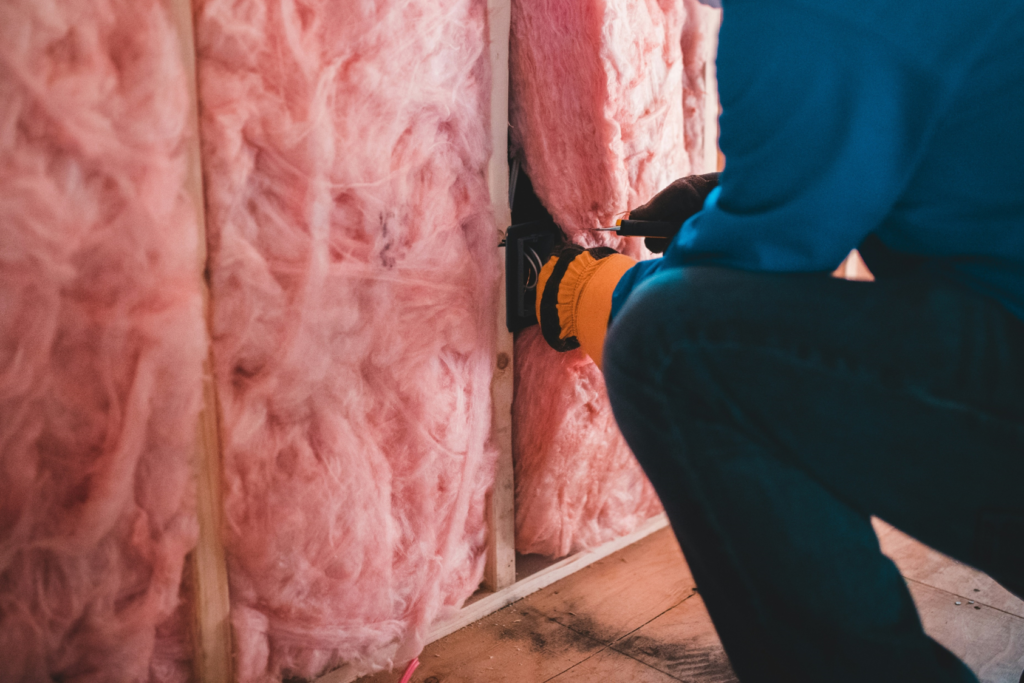
Begin by identifying the problem areas. The attic is often the biggest offender, followed by walls, floors, basements, and crawlspaces. For attics, check the depth and spread of insulation. In walls, you can inspect through electrical outlets by turning off the power, removing the cover, and looking inside with a flashlight.

Tools and Techniques for Evaluation

For a DIY approach, a thermal imaging camera can reveal where heat is escaping. Alternatively, you can hire a professional for a home energy audit. These assessments provide a comprehensive overview of your home’s insulation and recommend the best areas for improvement.

Cost-Effective Insulation Fixes

Sealing Air Leaks

Air leaks are sneaky and expensive. Start by weatherproofing your doors and windows with weatherstripping or caulking. Foam gaskets for electrical outlets and switch plates are another inexpensive fix. Combined, these steps significantly reduce drafts and improve energy efficiency.

Using DIY Draft Stoppers

A simple yet effective tool for sealing door drafts is a “door snake.” Don’t want to buy one? Make your own with old socks, pillow stuffing, and even popcorn kernels. Place it at the base of your door to stop cold air from creeping in.

Insulation Upgrades Without Opening Walls

Window and Door Insulation Options

Thermal curtains or blackout liners are a lifesaver for poorly insulated windows. During the day, let sunlight in to warm your home naturally. At night, close the curtains to trap the heat. For doors, ensure weatherproofing is intact, and add door sweeps if needed.

Chimney and Attic Solutions

Your fireplace can be a major source of heat loss. If you’re not using it, plug the chimney with a chimney balloon or a DIY equivalent made from bubble wrap and cardboard. In the attic, consider installing reflective foil insulation to keep heat from escaping through the roof.

Upgrading or Replacing Insulation

fixing insulation in house sound unsound homes

Choosing the Right Insulation Type

Not all insulation is created equal. Fiberglass rolls are great for large areas like attics, while spray foam excels at sealing gaps and crevices. For crawlspaces, rigid foam boards are ideal. Select the type that best fits your space and budget, keeping R-value—the measure of thermal resistance—in mind.

Professional vs. DIY Installation

Some upgrades, like adding attic insulation, are perfect for DIY enthusiasts. Others, like wall insulation or sealing HVAC ducts, may require professional help. A professional can ensure proper installation and maximize the lifespan of your insulation.

Maximizing Long-Term Energy Savings

Maintaining Your Insulation

Even the best insulation needs maintenance. Moisture is insulation’s worst enemy, so ensure your home is well-ventilated. Vapor barriers can help protect crawlspaces, while bathroom fans can prevent excess humidity. Check regularly for damage or compression in your insulation.

Calculating Payback and Savings

Insulation upgrades may come with upfront costs, but they pay for themselves quickly. Use tools like the Home Energy Saver calculator to estimate how much you’ll save on energy bills. The savings are real, tangible, and worth every penny.

Frequently Asked Questions (FAQ)

  • How can I tell if my attic needs more insulation? Look for thin or uneven coverage and exposed joists. If you can see the joists, you need more insulation.
  • What’s the easiest way to reduce drafts in my home? Start by sealing air leaks with weatherstripping, caulk, and foam gaskets.
  • How much insulation should I add to my walls? This depends on your region’s climate and your home’s construction. Use R-value guidelines to determine the right amount.

Conclusion

Fixing insulation in your house isn’t just about staying warm—it’s about taking control of your home’s energy efficiency and saving money in the long run. From sealing air leaks and upgrading attic insulation to plugging your chimney and maintaining your materials, the steps are straightforward and effective. With the right plan and a bit of effort, you can transform your home into a sound, energy-efficient sanctuary. Start today—you’ll feel the difference immediately and see the savings for years to come!

Categories
Blog

How can you tell if a house has structural problems?

How Can You Tell If a House Has Structural Problems?

Not every creak or crack in a house is a cause for alarm—but some are whispers of bigger problems hiding beneath the surface. Did you know that repairing major structural damage, like a compromised foundation, can cost upward of $10,000? Yet many issues start with signs so subtle they’re easy to ignore: a stuck door, a sloping floor, or a mysterious stain on the ceiling.

I’m Don Lane, and at Sound & Unsound Homes, I’ve spent years digging into what makes homes truly solid versus what makes them prone to failure. This isn’t just about the visible flaws—it’s about uncovering the small but telltale clues that might save you thousands in future repairs. From cracks that seem harmless to bulging washing machine hoses that could spell disaster, I’ll walk you through how to spot trouble before it spirals out of control.

If you’re buying, selling, or simply keeping an eye on your home’s health, this guide will help you recognize the warning signs of structural issues, understand their causes, and know exactly when to call in the pros. Let’s get started—it’s time to separate the sound from the unsound.


Common Warning Signs of Structural Problems

Sticking or Balky Doors

A door that sticks or doesn’t close properly might seem like a minor nuisance. But take a closer look—this could be an early sign of foundation trouble. Doors rely on perfectly aligned frames, and when a foundation shifts due to expanding or contracting soil, the frames can warp or tilt.

What to do: Start with a basic inspection of the latch, strike plate, and hinges. If tightening screws doesn’t resolve the issue, it’s time to think bigger. A contractor can assess whether the foundation or settling is the real culprit. Ignoring this can lead to more significant structural issues down the road.


Sloping or Uneven Floors

Have you ever dropped a pen and watched it roll away? That’s not just gravity at work—it’s a telltale sign of sloping floors. Over time, joists can weaken due to rot or improper installation, creating uneven flooring.

What to do: If your floors slope noticeably or nails seem to be popping up, don’t wait. This could indicate serious issues with the floor’s structural support. A professional inspection can confirm if the joists are compromised or if other factors, like poor foundation work, are to blame.


Ceiling Stains and Water Damage

A discolored patch on the ceiling isn’t just an eyesore—it’s a warning light. Leaks from pipes, HVAC systems, or a damaged roof can seep into your home, leaving stains that signal deeper issues like mold growth or weakened materials.

What to do: Look for the source of the stain by inspecting the area above it. If the cause isn’t immediately clear, hire a roofer or plumber to track down and fix the problem. Addressing water damage early prevents structural decay and costly repairs.


Cracked Windows and Frames

A sudden crack in a window might seem like a fluke, but if no external force caused it, it’s worth investigating. Stress cracks often occur due to temperature changes, but they can also signal shifting foundations or poorly installed frames.

What to do: Check if the window frame is level and examine the surrounding siding for cracks or misalignment. If you notice multiple issues, consult a contractor. Even if the crack seems minor, replacing the glass promptly prevents further damage and maintains safety.


Bulging Washing Machine Hoses

It’s easy to overlook the condition of your washing machine hoses, but a bulge is more than just wear and tear—it’s a ticking time bomb. High water pressure weakens rubber hoses over time, increasing the risk of a burst and significant flooding.

What to do: Replace bulging hoses immediately. Opt for a steel-braided hose, which is far more durable and less likely to fail. This small upgrade can save you from costly water damage.


Bubbling or Chipping Paint

Paint imperfections might seem cosmetic, but they often hide a larger problem. Bubbling or chipping paint can indicate moisture trapped behind walls due to plumbing leaks or poor ventilation.

What to do: Feel for dampness in the affected area and check for hidden leaks. If you can’t locate the source, call a plumber to inspect your pipes. Fix the underlying issue before repainting to avoid recurring problems.

don lane structural house problems

Slow or Noisy Water Flow

If your shower has lost its power or your toilet gurgles like it’s alive, pay attention. These could be signs of clogged or corroded pipes, which restrict water flow and create airlocks.

What to do: Check for leaks and test your home’s water pressure using a gauge. If clearing clogs doesn’t solve the issue, you’ll likely need a plumber to repair or replace the affected pipes.


Hidden Structural Problems to Watch Out For

Foundation Cracks and Settlement

The foundation is the backbone of your home, and cracks in it are never a good sign. Horizontal or stair-step cracks often point to serious structural instability, while vertical cracks may indicate natural settling.

What to do: Monitor cracks for growth and have a foundation contractor inspect them. Solutions range from sealing minor cracks to reinforcing the foundation with piers or braces.

how can you tell if a house has structural problems

Termite and Pest Damage

Termites can quietly eat away at wood framing, leaving your home’s structure hollow and fragile. Signs include visible tunnels, sawdust-like droppings, or weakened wooden beams.

What to do: Contact a pest control professional at the first sign of damage. They can eliminate the infestation and recommend repairs to restore the affected areas.


Roof and Attic Issues

A sagging roofline or leaks in the attic can signal major problems with your roof’s structural integrity. Common causes include weather damage, poor ventilation, or improper installation.

What to do: Inspect your roof for missing shingles or uneven surfaces. A roofing contractor can identify weak points and recommend repairs to prevent leaks and further structural damage.


Steps to Take If You Suspect Structural Problems

Conducting Initial Inspections

Start by visually inspecting key areas of your home: doors, windows, floors, ceilings, and walls. Look for the signs discussed in this guide and note anything unusual.

When to Call in the Professionals

If any signs raise concern, consult a licensed home inspector or structural engineer. They’ll identify the root cause and recommend repairs tailored to your home’s needs.

Estimating Repair Costs and Planning Ahead

Structural repairs can be expensive, but many are unavoidable. Get multiple quotes from contractors and check with your insurance provider to see if any costs are covered.


Preventive Measures to Avoid Structural Problems

  • Regular Maintenance Practices: Inspect your home seasonally, clear gutters, and ensure proper drainage around your foundation.
  • Address Issues Promptly: Fix small cracks, leaks, or other issues before they worsen.
  • Tips for Buyers: Always get a professional inspection before purchasing a home, and ask about its structural history.

Conclusion

Structural issues don’t appear overnight—they creep in slowly, disguised as small, manageable nuisances. By recognizing these signs early, you can protect your home’s value, safety, and longevity. Whether you’re maintaining your current home or evaluating a new one, keep an eye out for the warning signs outlined in this guide. And remember, when in doubt, bring in the pros—it’s better to invest in a sound home now than to face an unsound one later.