What Type of House Foundation is an Easy Sell?
Every home rests on a story—quite literally. The foundation beneath your feet isn’t just concrete or beams; it’s the backbone of your investment. Did you know the average U.S. home weighs 200 tons? That’s the load your foundation needs to bear while resisting water damage, settling soil, and even nature’s temper tantrums.
Hi, I’m Don Lane, founder of Sound & Unsound Homes. My passion lies in separating the sturdy from the suspect, helping homeowners like you make smart, informed decisions. Whether you’re planning to sell, buy, or simply understand what’s holding up your home, getting the foundation right is key to maximizing value—and buyer appeal.
In this article, we’ll break down the pros, cons, and marketability of various house foundations, from the ever-popular concrete slab to the spacious basement. Which one gives you the best bang for your buck? Which type scares off buyers faster than a roof leak? And how can you turn a foundation flaw into a selling point? Stick around—we’re digging deep into what makes a foundation not just strong but sellable.
Let’s uncover the type of foundation that could make—or break—your next sale.
Why a Strong Foundation Matters in Real Estate
When buyers step into a house, they may not see the foundation, but they can feel its impact. A solid foundation ensures stable floors, smooth-opening doors, and a house that “feels” right. On the flip side, a compromised foundation can send buyers running. Cracked walls, sticking windows, or a musty smell from moisture damage all scream one thing: problems ahead.
The Role of Foundations in Buyer Decisions
A home’s foundation isn’t just structural—it’s psychological. Buyers see it as a reflection of the home’s overall quality. A stable, sound foundation builds trust and boosts confidence in the property. Conversely, issues like settlement cracks or visible moisture raise red flags, potentially derailing a sale or leading to lower offers.
Common Foundation Problems That Affect Marketability
Foundation problems are among the costliest to fix, which makes them deal-breakers for many buyers. Look out for:
- Cracks wider than ¼ inch, especially diagonal or horizontal ones.
- Water intrusion in basements or crawlspaces, often leading to mold or wood rot.
- Sloping or uneven floors, signaling settling or shifting soil.
Addressing these issues proactively can mean the difference between a bidding war and a stagnant listing.
Comparing House Foundation Types for Market Appeal
Not all foundations are created equal—nor are they equally attractive to buyers. Some offer durability and low maintenance, while others provide extra space or utility access. Here’s how the most common types stack up.
Concrete Slab Foundations: Affordable but Limited
Concrete slabs are popular for a reason: they’re affordable and quick to construct. This makes them an attractive option for budget-conscious buyers. However, they come with drawbacks. Plumbing and electrical systems are often buried beneath the slab, making repairs disruptive and costly. And without a basement or crawlspace, slabs lack the bonus storage or living space many buyers want.
Crawlspace Foundations: Access and Risk
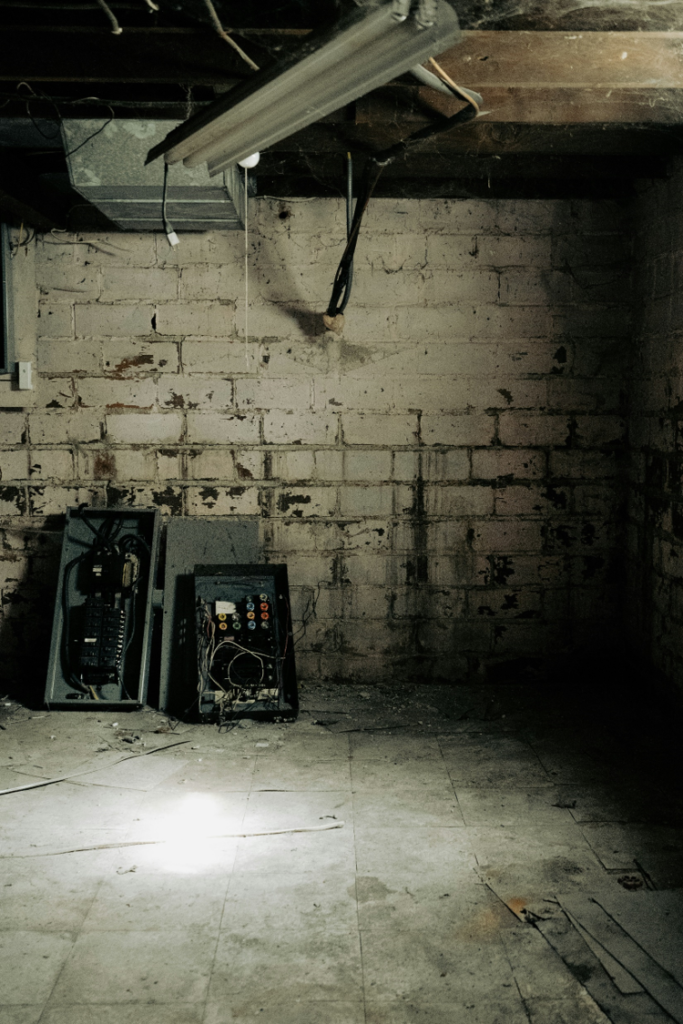
Crawlspaces offer easy access to utilities, making repairs or upgrades straightforward. Buyers also appreciate that crawlspaces create a buffer between the house and the ground, reducing the risk of termite damage. However, moisture issues are a common concern. Even with vapor barriers, proper insulation techniques and so on…crawlspaces can develop mold or rot if not properly ventilated.
Basement Foundations: Extra Space and Value
For buyers looking for space, basements are a major selling point. A finished basement can serve as a family room, guest suite, or home office—all while increasing the home’s square footage at a lower cost per foot than an above-ground addition. That said, basements require diligent waterproofing to avoid leaks, especially in areas with high water tables.
Pile Foundations: For Challenging Conditions
Pile foundations are ideal for homes on unstable soil or in flood-prone areas. While not as common in residential builds, they’re a lifesaver for coastal properties. Buyers in these regions often view piles as a necessity rather than a luxury. However, their specialized nature can make them more expensive and less universally appealing.
Key Factors That Make a Foundation an Easy Sell
Buyers want peace of mind, and a well-maintained foundation delivers exactly that. Here are the factors that make some foundations easier to sell than others.
Climate and Geography Considerations
A foundation’s suitability often depends on where you live. In areas prone to flooding, buyers may prefer elevated foundations like piles or crawlspaces. In colder regions, basements are valued for their ability to extend below the frost line, preventing freeze-thaw damage. Aligning the foundation type with local conditions can enhance marketability.
Maintenance and Longevity of Foundations
Low-maintenance foundations are a big draw. Buyers love knowing they won’t have to deal with cracked slabs, moldy crawlspaces, or leaky basements. Regular inspections, proper drainage, and waterproofing can extend a foundation’s life and make it more appealing to potential buyers.
How to Address Foundation Issues Before Selling
Selling a home with foundation problems isn’t impossible, but it does require preparation. Transparency and proactive repairs can make all the difference.
Identifying and Repairing Common Foundation Problems
Start with a thorough inspection. Small cracks can often be sealed with epoxy, while more serious issues may require professional reinforcement. Waterproofing basements and improving drainage around the home can also reassure buyers that the foundation is solid.
Selling a Home with Foundation Repairs
If repairs are necessary, keep records and warranties to show potential buyers. A transferable warranty on foundation work can alleviate concerns and add value. Being upfront about past issues—and how they were resolved—can build trust and avoid surprises during the inspection process.
Which Foundation Type is Easiest to Sell?
While every foundation has its pros and cons, basements often top the list for marketability. Their ability to add living space and storage appeals to a wide range of buyers. That said, homes with concrete slabs or crawlspaces can also be easy sells if they’re well-maintained and free of major issues.
Trends in Buyer Preferences for Foundations
Modern buyers lean toward low-maintenance, versatile homes. Finished basements and encapsulated crawlspaces are particularly attractive because they offer functionality without major upkeep.
Foundation Upgrades to Boost Market Appeal
Simple upgrades, like encapsulating a crawlspace or waterproofing a basement, can dramatically improve marketability. For slab foundations, ensuring plumbing systems are updated (e.g., using PEX pipes) can help buyers feel confident about future repairs.
Conclusion: Choosing a Foundation for Market Success
A sound foundation isn’t just the base of a house—it’s the base of a successful sale. By understanding the strengths and weaknesses of each foundation type, addressing potential problems, and aligning with buyer preferences, you can maximize your home’s value and appeal. Whether it’s a cozy basement or a sleek concrete slab, the right foundation can turn your property into an easy sell.
It all starts from the ground up—literally. Let’s make your next sale a sound one!