A Way To Fix Insulation In Your House – No Demo Required!
If you’re feeling the chill of drafty windows or watching your energy bills climb higher than they should, your insulation might be the culprit. Poor insulation isn’t just a comfort issue—it’s a money pit. In fact, the U.S. Department of Energy reports that proper insulation can cut heating and cooling costs by up to 20%. That’s a stat worth paying attention to.
Here at Sound & Unsound Homes, I’ve seen it all—from well-crafted homes with insulation that stands the test of time to those where corners were cut, leaving homeowners shivering in winter and sweating through summer. I’m Don Lane, and I’ve spent years studying what makes a home “sound,” helping people like you take control of their spaces. If you’re looking for a way to fix the insulation in your house without tearing down walls, then read on.
The good news? Fixing your insulation doesn’t have to be complicated or break the bank. Whether you’re sealing up air leaks with weatherstripping, insulating your attic, or tackling drafty doors with a DIY door snake, there are countless ways to get started—many of which you can do yourself. This guide will show you exactly how to identify problems, find practical solutions, and invest in fixes that not only make your home cozier but also more efficient.
Let’s turn your house into the sound, energy-efficient sanctuary it was meant to be—without wasting time or money. Ready to dive in? Let’s get started!
How Do You Fix Insulation in Your House?
Insulation is the unsung hero of home energy efficiency. Done right, it keeps your home warm in winter, cool in summer, and saves you thousands on energy bills over time. Done poorly—or ignored altogether—and you could be throwing money out the window, literally. In this guide, we’ll dive into practical, actionable steps to assess, upgrade, and fix your home insulation. Whether you’re tackling drafts, boosting attic insulation, or sealing leaks, this article has you covered.
Why Proper Insulation is Important
The Role of Insulation in Energy Efficiency
Insulation doesn’t just make your home more comfortable; it acts as a barrier between the inside of your home and the unpredictable elements outside. According to energy experts, a properly insulated home can save up to 20% on heating and cooling costs annually. Insulation works by minimizing heat transfer, ensuring warm air stays inside during winter and outside during summer.
Common Signs Your Insulation Needs Fixing
How do you know if your insulation is failing? Look for cold drafts, uneven temperatures between rooms, or skyrocketing heating bills. A poorly sealed attic or chimney, thin wall insulation, or gaps around doors and windows could be to blame. These small problems add up to big inefficiencies.
Assessing Your Current Insulation
Inspecting Different Areas of Your Home
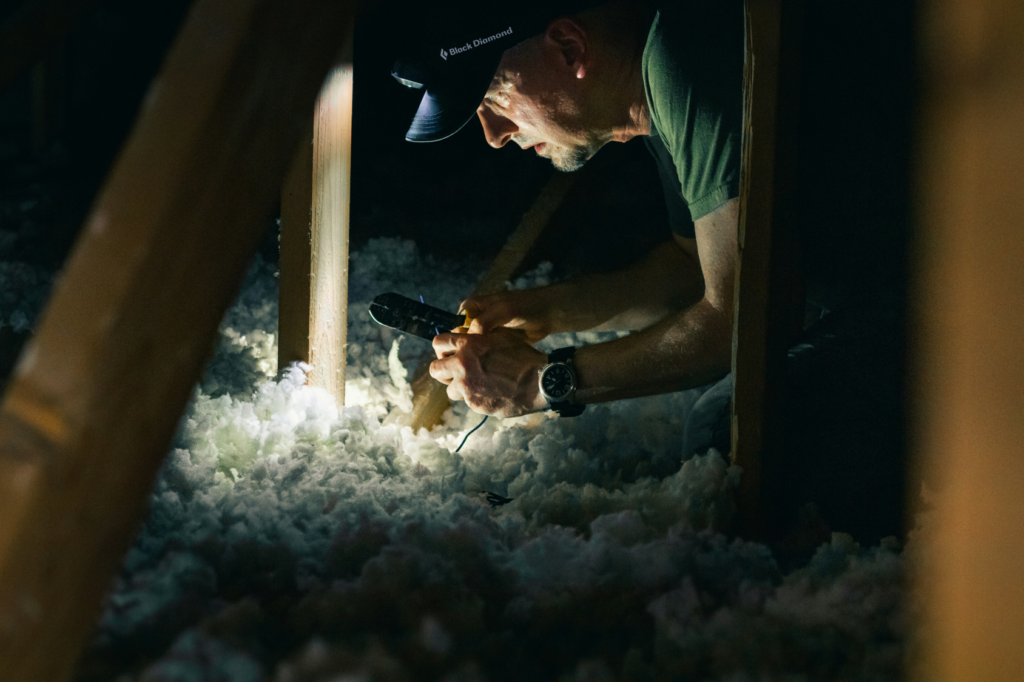
Begin by identifying the problem areas. The attic is often the biggest offender, followed by walls, floors, basements, and crawlspaces. For attics, check the depth and spread of insulation. In walls, you can inspect through electrical outlets by turning off the power, removing the cover, and looking inside with a flashlight.
Tools and Techniques for Evaluation
For a DIY approach, a thermal imaging camera can reveal where heat is escaping. Alternatively, you can hire a professional for a home energy audit. These assessments provide a comprehensive overview of your home’s insulation and recommend the best areas for improvement.
Cost-Effective Insulation Fixes
Sealing Air Leaks
Air leaks are sneaky and expensive. Start by weatherproofing your doors and windows with weatherstripping or caulking. Foam gaskets for electrical outlets and switch plates are another inexpensive fix. Combined, these steps significantly reduce drafts and improve energy efficiency.
Using DIY Draft Stoppers
A simple yet effective tool for sealing door drafts is a “door snake.” Don’t want to buy one? Make your own with old socks, pillow stuffing, and even popcorn kernels. Place it at the base of your door to stop cold air from creeping in.
Insulation Upgrades Without Opening Walls
Window and Door Insulation Options
Thermal curtains or blackout liners are a lifesaver for poorly insulated windows. During the day, let sunlight in to warm your home naturally. At night, close the curtains to trap the heat. For doors, ensure weatherproofing is intact, and add door sweeps if needed.
Chimney and Attic Solutions
Your fireplace can be a major source of heat loss. If you’re not using it, plug the chimney with a chimney balloon or a DIY equivalent made from bubble wrap and cardboard. In the attic, consider installing reflective foil insulation to keep heat from escaping through the roof.
Upgrading or Replacing Insulation
Choosing the Right Insulation Type
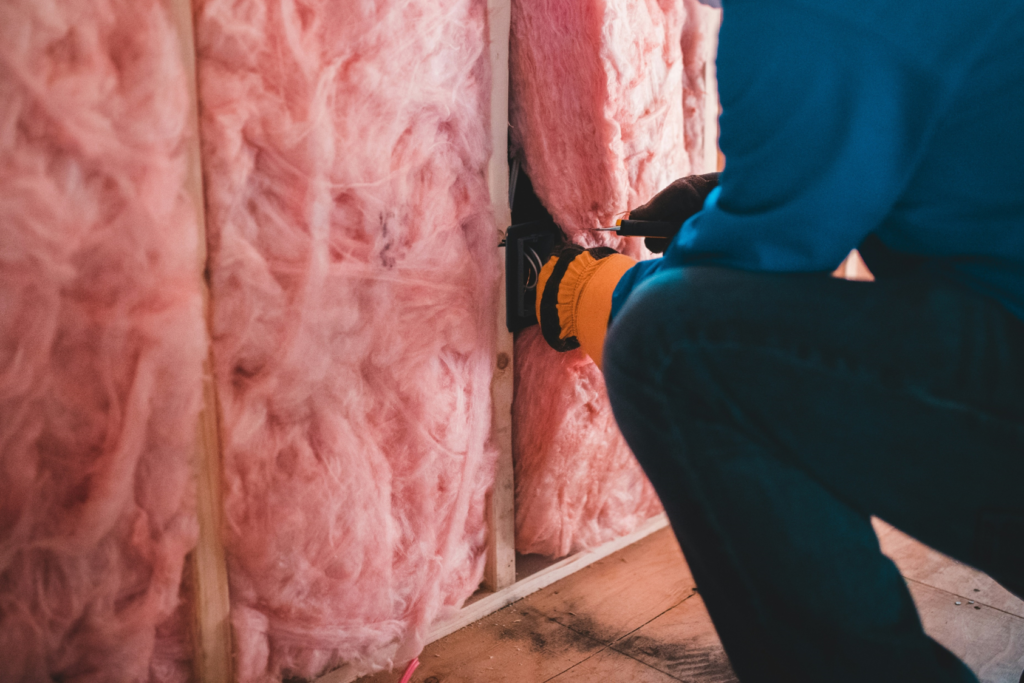
Not all insulation is created equal. Fiberglass rolls are great for large areas like attics, while spray foam excels at sealing gaps and crevices. For crawlspaces, rigid foam boards are ideal. Select the type that best fits your space and budget, keeping R-value—the measure of thermal resistance—in mind.
Professional vs. DIY Installation
Some upgrades, like adding attic insulation, are perfect for DIY enthusiasts. Others, like wall insulation or sealing HVAC ducts, may require professional help. A professional can ensure proper installation and maximize the lifespan of your insulation.
Maximizing Long-Term Energy Savings
Maintaining Your Insulation
Even the best insulation needs maintenance. Moisture is insulation’s worst enemy, so ensure your home is well-ventilated. Vapor barriers can help protect crawlspaces, while bathroom fans can prevent excess humidity. Check regularly for damage or compression in your insulation.
Calculating Payback and Savings
Insulation upgrades may come with upfront costs, but they pay for themselves quickly. Use tools like the Home Energy Saver calculator to estimate how much you’ll save on energy bills. The savings are real, tangible, and worth every penny.
Frequently Asked Questions (FAQ)
- How can I tell if my attic needs more insulation? Look for thin or uneven coverage and exposed joists. If you can see the joists, you need more insulation.
- What’s the easiest way to reduce drafts in my home? Start by sealing air leaks with weatherstripping, caulk, and foam gaskets.
- How much insulation should I add to my walls? This depends on your region’s climate and your home’s construction. Use R-value guidelines to determine the right amount.
Conclusion
Fixing insulation in your house isn’t just about staying warm—it’s about taking control of your home’s energy efficiency and saving money in the long run. From sealing air leaks and upgrading attic insulation to plugging your chimney and maintaining your materials, the steps are straightforward and effective. With the right plan and a bit of effort, you can transform your home into a sound, energy-efficient sanctuary. Start today—you’ll feel the difference immediately and see the savings for years to come!